

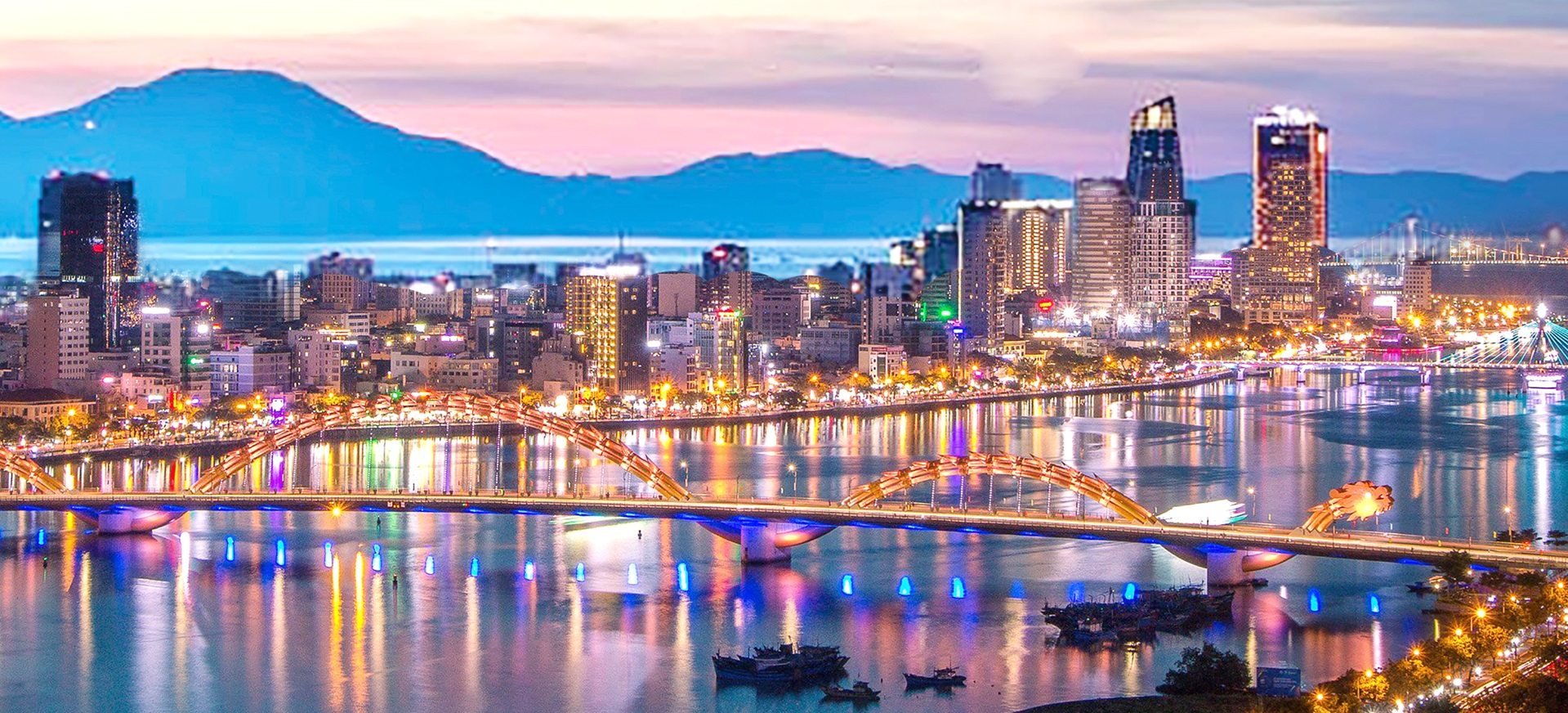
Central Vietnam is a region full of tourism potential, with landscapes stretching from pristine coastlines and rolling mountains to vast highland plateaus. It is home to an incredible variety of natural scenery—from stunning beaches and cultural–historical heritage sites to impressive highland regions.
In this article, join WEOZ as we explore Central Vietnam and discover the most outstanding destinations to help you plan your upcoming journey.
1. Overview of Central Vietnam
Overview of Central Vietnam
1.1. Where Is Central Vietnam Located?
Central Vietnam lies between the northern and southern regions of the country, stretching from Thanh Hoa to Binh Thuan. The area is divided into three main sub-regions:
- North Central Coast
- South Central Coast
- Central Highlands (Tây Nguyên)
Thanks to its long terrain and direct coastline along the East Sea, Central Vietnam boasts a wide range of landscapes rarely found elsewhere—pristine beaches, towering mountain ranges, dramatic coastal passes, vast plateaus, and rich river–lake systems.
1.2. Climate in Central Vietnam
Central Vietnam has a tropical monsoon climate, but it varies significantly from region to region:
- North Central Coast: four distinct seasons
- South Central Coast: hot and sunny year-round
- Central Highlands: two seasons—dry and rainy
This regional variation enriches the travel experience, as each season offers its own unique scenery and activities across Central Vietnam.
1.3. What Makes Central Vietnam Special?
Central Vietnam stands out thanks to its remarkable natural and cultural diversity:
- Over 1,400 km of coastline with some of Vietnam’s most beautiful beaches
- Three UNESCO World Cultural Heritage Sites: Hue – Hoi An – My Son
- Numerous traditional festivals
- Bold, flavourful and vibrant cuisine
- Warm, resilient and hospitable local communities
These characteristics explain why Central Vietnam remains one of the most captivating destinations for both domestic and international travellers.
2. Top Destinations in Central Vietnam You Shouldn’t Miss
2.1. Hue – A Graceful Imperial City of Culture and Heritage
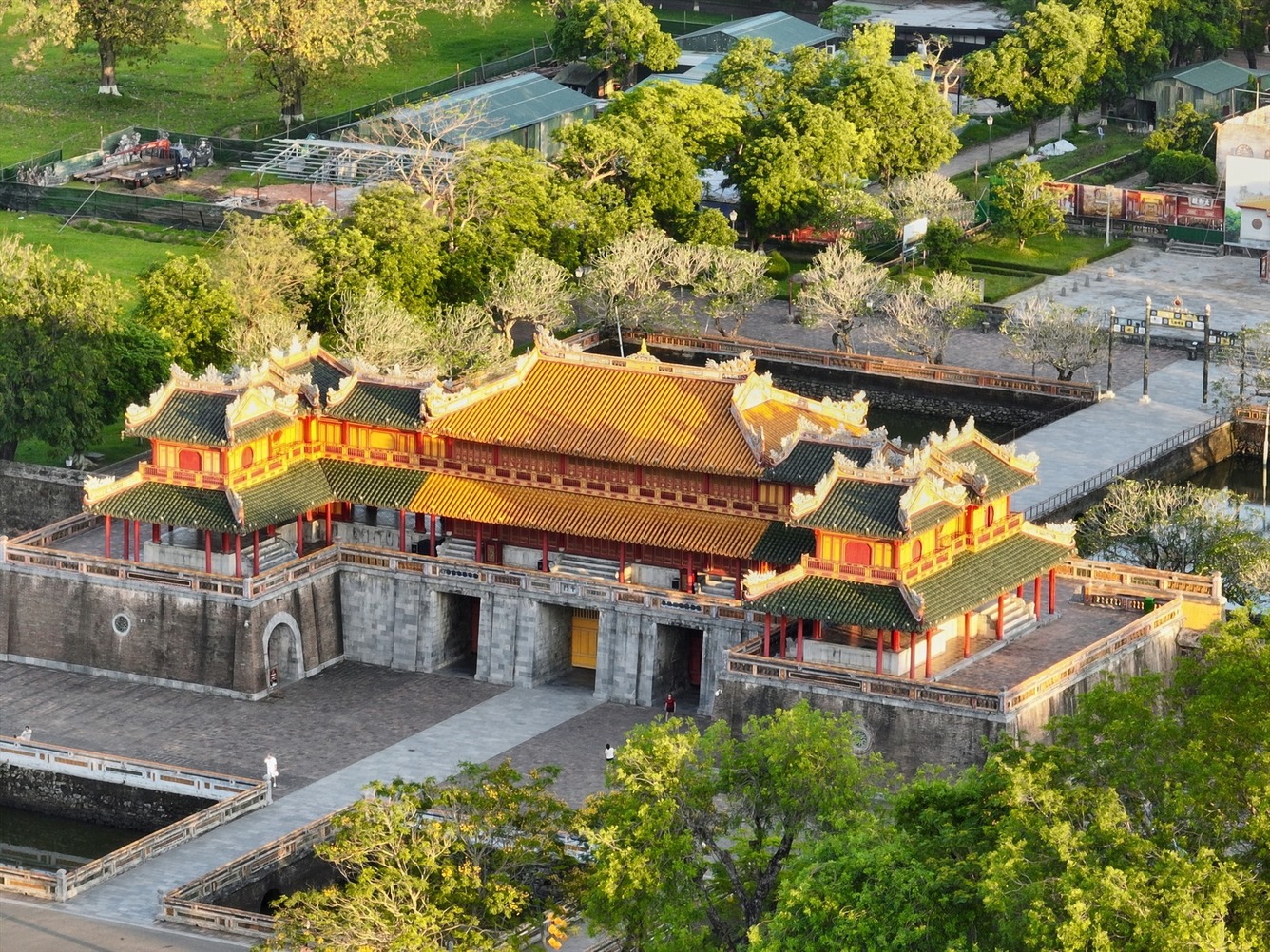
Hue – A Graceful Imperial City of Culture and Heritage
As Vietnam’s former imperial capital, Hue is known for its serene, timeless charm. The city preserves an exceptional collection of royal architecture, each carrying deep cultural and historical significance.
Highlights in Hue
- Hue Imperial Citadel
- Thien Mu Pagoda
- Tombs of Tu Duc, Khai Dinh and Minh Mang
- Vong Canh Hill
- Perfume River
- Tam Giang Lagoon
Hue is also famous for its distinctive cuisine, including bun bo Hue, com hen, and a variety of royal-style cakes (banh beo, banh nam, banh loc). It’s the perfect destination for travellers who love culture, history and traditional Vietnamese architecture.
2.2. Da Nang – Vietnam’s Most Liveable Coastal City
Why travellers love Da Nang
Da Nang is the tourism hub of Central Vietnam, offering the perfect balance between modern city life and natural beauty. The city boasts the world-famous My Khe Beach, the lush Son Tra Peninsula—also known as the “green lung” of central Vietnam—and iconic attractions like Ba Na Hills and the Golden Bridge.
Clean streets, safe neighbourhoods, well-planned infrastructure, and friendly locals make Da Nang ideal for families, young travellers and leisure vacations.
Beyond sightseeing, Da Nang’s cuisine is a major draw, with favourites such as mi Quang, grilled pork vermicelli, fresh seafood, banh xeo and banh trang cuon thit heo. This is why many visitors choose Da Nang for their annual holidays.
Popular attractions:
- Ba Na Hills
- Golden Bridge
- Marble Mountains
- Dragon Bridge
- My Khe Beach
- Son Tra Peninsula
2.3. Hoi An – Vietnam’s Most Romantic and Peaceful Ancient Town
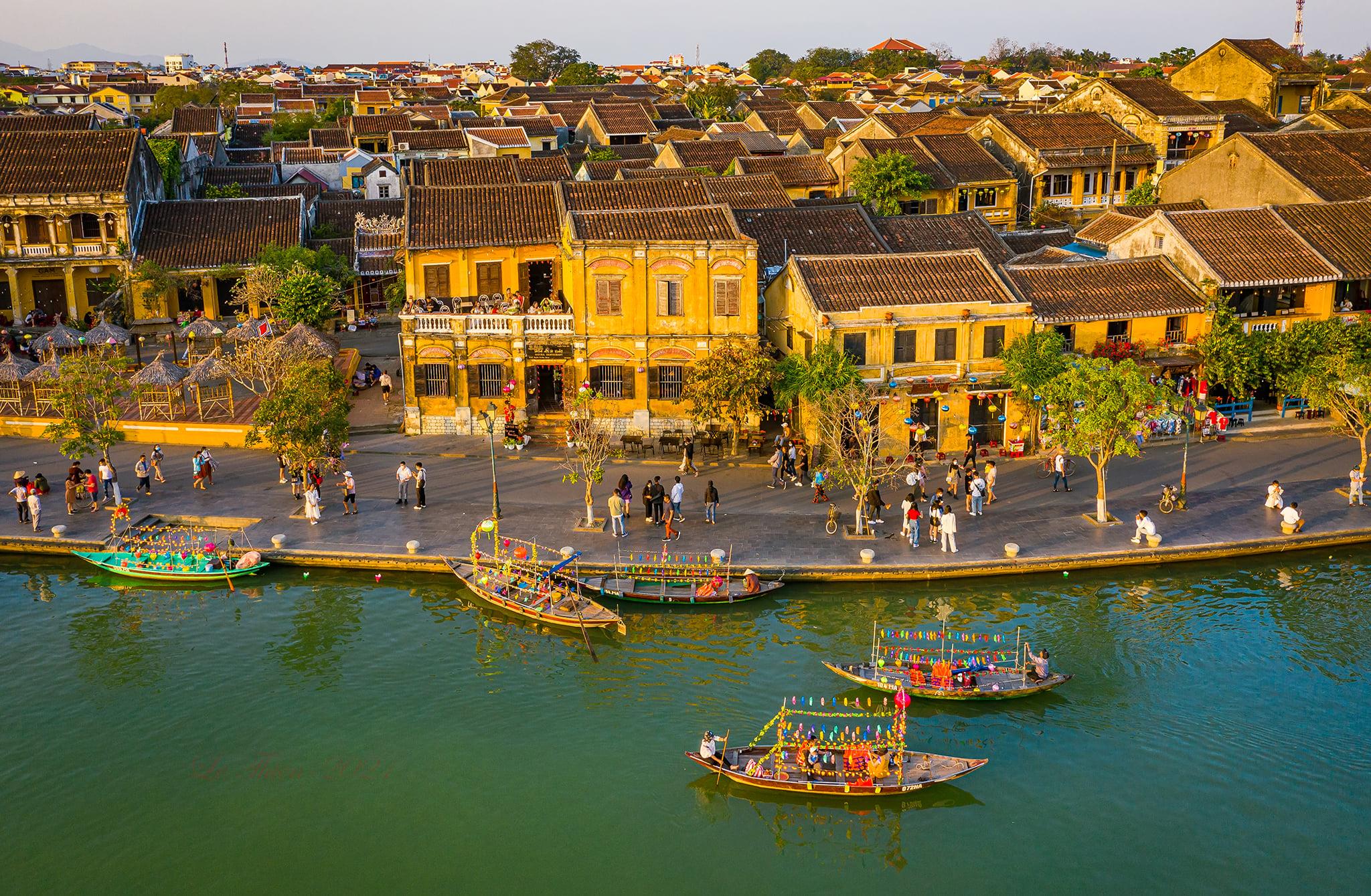
Hoi An – Vietnam’s Most Romantic and Peaceful Ancient Town
What makes Hoi An special
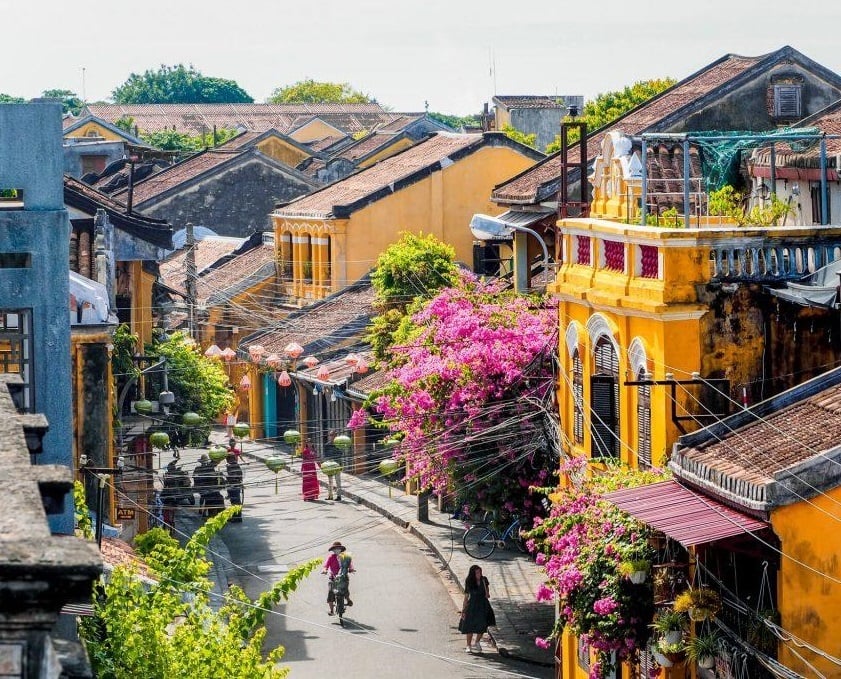
Hoi An enchants visitors with its well-preserved ancient architecture—yellow-walled houses, moss-covered tiles and lantern-lit alleyways. The town reflects a blend of Vietnamese, Japanese and Chinese cultural influences seen in its temples, houses, cuisine and daily life.
Memorable experiences include releasing lanterns on the Hoai River, taking a boat ride at night, or visiting traditional craft villages such as the lantern-making village and Thanh Ha pottery village.
Top things to do:
- Release lanterns on the river
- Visit the iconic Japanese Covered Bridge
- Explore lantern-lit streets at night
- Take photos at charming heritage cafés
- Enjoy nightlife along Nguyen Phuc Chu Lantern Street
- Try local dishes: cao lau, banh mi, mi Quang
2.4. Ly Son – The Untouched Volcanic Gem of Central Vietnam
Why visit Ly Son
Ly Son captivates travellers with its raw island beauty—emerald waters, powdery white sand, colourful coral reefs and dramatic volcanic rock formations found nowhere else in Vietnam.
Beyond nature, Ly Son is famous for its local culture and garlic farms, a key specialty of the island. The Hoang Sa Soldier Feast and Commemoration Festival reflects centuries of maritime tradition and deep cultural roots.
Must-visit spots:
- To Vo Arch Gate
- Thoi Loi Mountain
- Hang Pagoda
- Mu Cu Islet
- Be Island
2.5. Quy Nhon – A Peaceful, Poetic Coastal City
Experiences in Quy Nhon
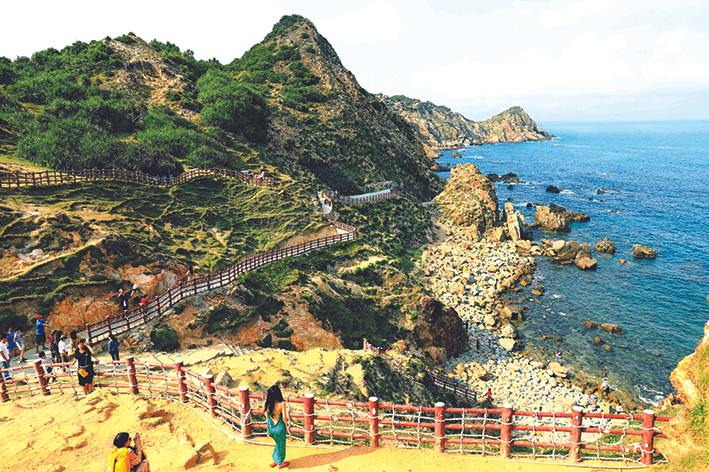
Experiences in Quy Nhon
Quy Nhon charms travellers with soothing blue seas, white sandy beaches and mountain ranges hugging the coast. Ky Co is often compared to the Maldives for its two-tone waters, while Eo Gio impresses with sweeping coastal cliffs.
The city also preserves ancient Cham towers, showcasing its rich cultural heritage. Popular local dishes include fish cake noodle soup (bun cha ca), banh hoi long heo, grilled meat rolls and anchovy dipping sauce.
Highlights:
- Eo Gio
- Ky Co Beach
- Hon Kho Island
- Ghenh Rang – Tien Sa
2.6. Phu Yen – The Land of Yellow Flowers and Green Grass
Why Phu Yen stands out
Phu Yen is known for its unspoiled, poetic landscapes. Ganh Da Dia—a natural wonder of basalt rock columns—is the region’s most famous landmark. Bai Xep gained popularity after appearing in the film “I See Yellow Flowers on the Green Grass.”
Travellers can also visit Mui Dai Lanh, one of the first places to catch sunrise in Vietnam, or explore the peaceful fishing villages around Xuan Dai Bay.
Top attractions:
- Ganh Da Dia
- Bai Xep
- Mui Dai Lanh
- Xuan Dai Bay
2.7. Nha Trang – The Most Vibrant Coastal City in Central Vietnam
Why Nha Trang remains a favourite
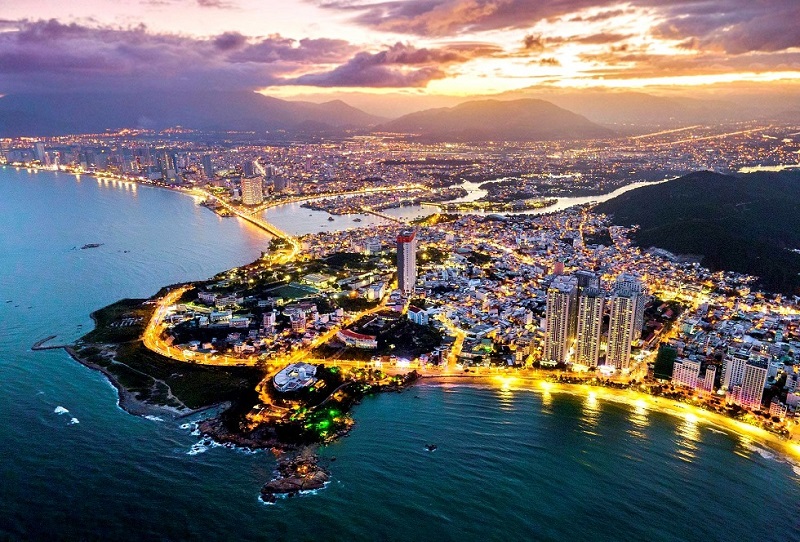
Nha Trang – The Most Vibrant Coastal City in Central Vietnam
Nha Trang is Vietnam’s premier beach destination thanks to its ideal climate, year-round sunshine and diverse resort offerings. Its rich marine ecosystem and island clusters—such as Hon Mun and Hon Tam—make it perfect for diving and water activities.
Beyond the beaches, Nha Trang features luxury resorts, mud baths, spa treatments and iconic cultural sites like Ponagar Cham Towers and the Stone Church. This combination of nature, culture and world-class services places Nha Trang at the top of Vietnam’s must-visit list.
Recommended spots:
- VinWonders Nha Trang
- Bai Dai Beach
- Hon Mun
- Hon Tam
- Ponagar Cham Towers
2.8. Central Highlands – The Majestic Mountain Region of Central Vietnam
The Central Highlands (Tây Nguyên) is an essential part of any Central Vietnam travel journey, offering rugged mountains, powerful waterfalls and the UNESCO-recognised gong culture.
Top destinations:
- Buon Ma Thuot
- Pleiku
- Kon Tum
- Ta Dung Lake
- Dray Nur Waterfall
Experiences you shouldn’t miss:
- Enjoy Buon Ma Thuot coffee
- Listen to the legendary Central Highlands gong performances
- Visit traditional ethnic villages
- Trek through untouched forests
3. Essential Tips for Traveling Central Vietnam Independently

Essential Tips for Traveling Central Vietnam Independently
3.1. Transportation Options
Getting around Central Vietnam is convenient thanks to multiple transport choices:
- Flights: Direct routes connect major hubs such as Hanoi – Da Nang – Hue – Quy Nhon – Nha Trang.
- Reunification Express Train: A scenic North–South railway running along the coast.
- Intercity Buses: Suitable for short trips between nearby provinces.
These options make it easy to plan flexible and efficient travel routes across the region.
3.2. Best Time to Visit Central Vietnam
February → September: Ideal for beach destinations with sunny weather and calm seas.
October → January: Wetter in some areas, but excellent for exploring cultural cities like Hue and Hoi An.
Because the region stretches across multiple climate zones, each season offers different but equally rewarding experiences.
3.3. Estimated Travel Costs
Average cost for a mid-range trip:
- Flights: 1,000,000 – 3,000,000 VND
- Accommodation: 300,000 – 1,500,000 VND/night
- Meals: 200,000 – 500,000 VND/day
- Attraction tickets: 100,000 – 500,000 VND
Total budget: approximately 5,000,000 – 12,000,000 VND, depending on itinerary and travel style.
4. Central Vietnam Cuisine – Bold, Savory, and Refined
Cuisine in Central Vietnam is defined by its rich flavors, spicy notes, and meticulous preparation techniques. Dishes are often seasoned more intensely compared to Northern and Southern Vietnam, matching the region’s sunny, coastal climate.
Signature fermented condiments—such as anchovy sauce, mam nem, and shrimp paste—create flavors that you won’t find anywhere else.
Famous regional dishes include:
- Bun bo Hue
- Mi Quang
- Cao lau
- Com hen
More than just delicious, Central Vietnamese cuisine reflects deep cultural heritage and culinary craftsmanship.
5. Suggested 6-Day Central Vietnam Itinerary (6D5N)
Day 1: Hue – Imperial Citadel – Thien Mu Pagoda – Perfume River
Day 2: Hoi An – Ancient Town – Bay Mau Coconut Forest
Day 3: Da Nang – Son Tra Peninsula – Marble Mountains – Dragon Bridge
Day 4: Quy Nhon – Eo Gio – Ky Co
Day 5: Phu Yen – Ganh Da Dia – Mui Dai Lanh
Day 6: Nha Trang – VinWonders – Ponagar Cham Towers
This itinerary offers the perfect mix of history, culture, beaches and nature.
7. Conclusion
Central Vietnam stands out as one of the country’s most captivating travel regions thanks to its diverse landscapes, rich culture and distinctive cuisine. From lively coastal cities to UNESCO heritage towns and majestic highlands, this region offers a wealth of unforgettable experiences.
Whether you seek nature, culture, cuisine or relaxation, Central Vietnam is a destination everyone should explore at least once in their lifetime.